
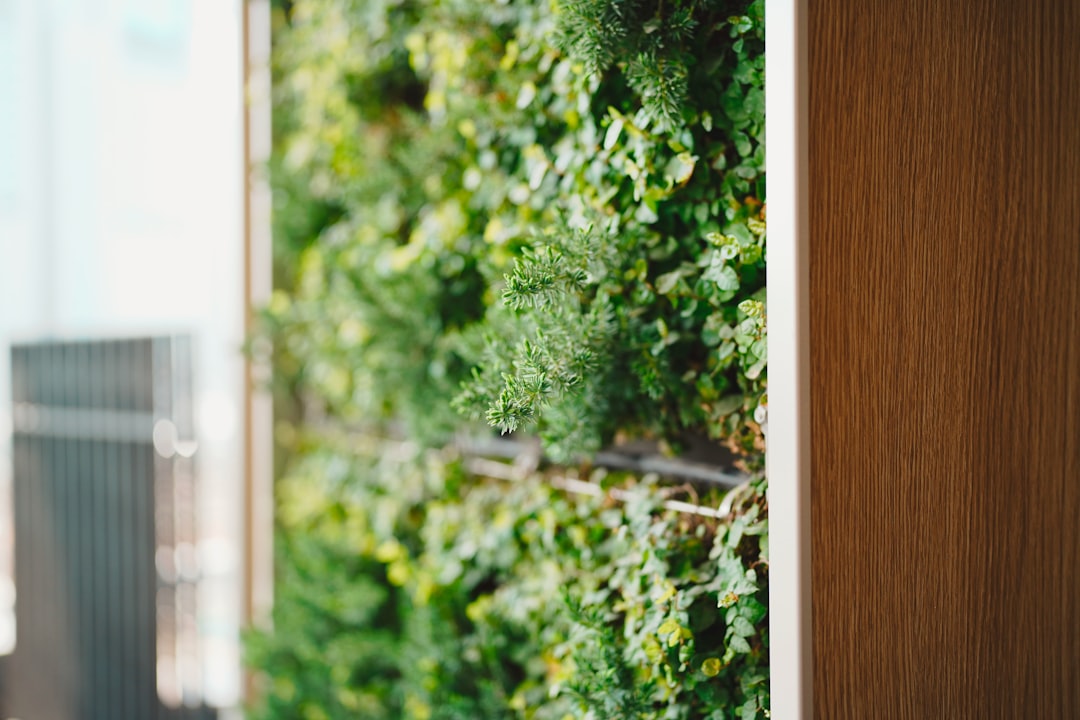
Incorporating Sustainable Materials into Your Interior Design

In today’s world, the importance of sustainability cannot be overstated, especially in the realm of interior design. As homeowners and designers alike become more aware of the environmental impact of their choices, incorporating sustainable materials into your interior design has emerged as a vital practice. This article will guide you through the value of sustainable materials, address common user needs, and highlight the benefits of making eco-friendly choices in your home.
Sustainable materials are those that are sourced responsibly, have a minimal environmental impact, and can be recycled or reused. By choosing these materials, you not only contribute to the well-being of the planet but also create a healthier living environment for yourself and your family. The value proposition here is clear: sustainable design is not just about aesthetics; it’s about making conscious choices that reflect your values and priorities.
One of the primary motivations for incorporating sustainable materials is the growing concern about climate change and environmental degradation. Many homeowners are looking for ways to reduce their carbon footprint and make more responsible choices. By opting for sustainable materials, you can address these concerns while also enhancing the beauty and functionality of your space.
Consider the following benefits of using sustainable materials in your interior design:
1. **Healthier Living Spaces**: Many conventional materials contain harmful chemicals that can affect indoor air quality. Sustainable materials, such as low-VOC paints, natural fibers, and reclaimed wood, are often free from these toxins, creating a healthier environment for you and your family.
2. **Durability and Longevity**: Sustainable materials are often more durable than their conventional counterparts. For example, bamboo is not only a renewable resource but also incredibly strong and long-lasting. Investing in durable materials means fewer replacements and repairs over time, saving you money in the long run.
3. **Unique Aesthetic Appeal**: Sustainable materials can add a unique touch to your home. Reclaimed wood, for instance, has a character and history that new materials simply cannot replicate. By incorporating these elements, you can create a space that is both stylish and meaningful.
4. **Increased Property Value**: Homes that feature sustainable design elements often have higher resale values. As more buyers seek eco-friendly options, having sustainable materials in your home can make it more attractive on the market.
Practical outcomes of incorporating sustainable materials into your interior design include not only aesthetic improvements but also enhanced functionality. For instance, using natural insulation materials can improve energy efficiency, leading to lower utility bills. Additionally, sustainable materials can often be sourced locally, reducing transportation emissions and supporting local economies.
To get started on your journey toward sustainable interior design, consider the following checklist:
Checklist: Research local suppliers of sustainable materials, Evaluate your current space for eco-friendly upgrades, Create a budget that includes sustainable options.
In conclusion, incorporating sustainable materials into your interior design is a powerful way to enhance your home while making a positive impact on the environment. By addressing user needs and motivations, highlighting the benefits, and providing practical outcomes, you can create a space that reflects your values and supports a sustainable future. At Serenebirdnest.com, we are committed to helping you achieve your design goals with a focus on sustainability. Whether you’re looking for custom furniture design, wall art installation, or comprehensive interior design consultation, we are here to guide you every step of the way.